
Senators Lankford, King Honor Victims on CCP’s 105th Anniversary
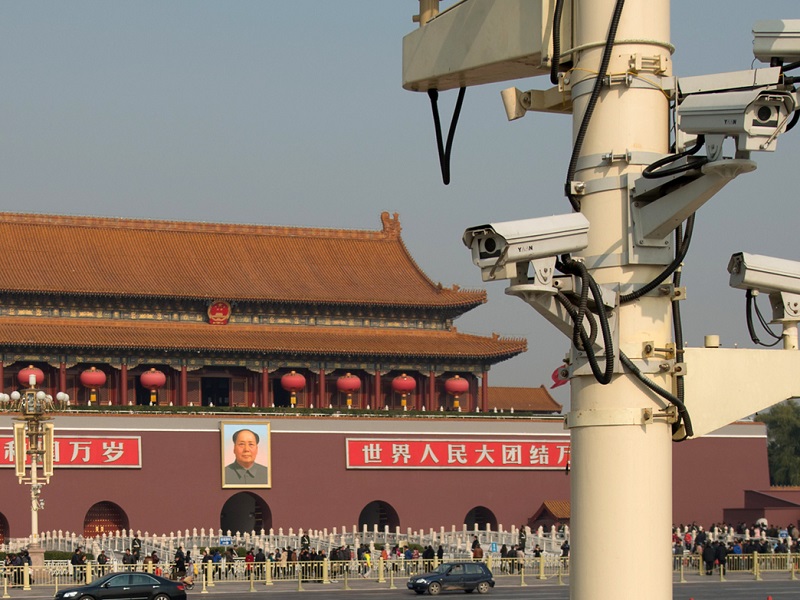
On Wednesday, the same day Chinese President Xi Jinping landed in Washington to be feted by the United States, U.S. Senators James Lankford and Angus King introduced a bipartisan resolution highlighting the 105th anniversary of the Chinese Communist Party and commemorating its many victims.
The resolution “documents the CCP’s history of mass persecution,” a press release issued by Lankford’s office said, “including the Great Chinese Famine, the Tiananmen Square massacre, and decades of repression against religious minorities and political dissidents.”
The CCP’s severe restrictions on religious freedom are particularly concerning, according to the press release, with the resolution aiming to shine a spotlight on “the CCP’s ongoing persecution of Christians, Uyghur Muslims, Tibetan Buddhists, Falun Gong practitioners, and others, as well as its efforts to conduct transnational repression against dissidents living outside China.”
“For 105 years, the Chinese Communist Party has oppressed its own people, persecuted people of faith, and denied basic freedoms,” said Lankford in a statement. King added that Americans “all believe that freedom and democracy are at the core of our country’s values” and called for greater commitment to acting from those values in U.S.-China relations.
Costly Campaign of Persecution
In the years since coming to power, the CCP has killed millions of citizens through campaigns designed to stifle dissent and centralize state power in the party.
Today, the CCP is pouring vast political and economic capital into a campaign to subsume as much religious activity as possible under state control and persecute all other religious activity. According to the Lankford-King resolution, the CCP spends billions of dollars annually to control and exterminate people of faith.
While a few state churches create the illusion of religious freedom for the casual observer, the reality within state-run churches is anything but free and hardly religious, with state-controlled pastors forced to preach communist ideology and promote what is known as “Xi Thought” over religious doctrine.
The CCP regularly asserts its authority over that of religious institutions, choosing bishops to lead Catholic dioceses and appointing its own lamas over the Buddhists. In western Xinjiang province, the CCP is working vigorously to stamp out Muslim belief, incarcerating at least a million Uyghurs in concentration camps where they are subject to regular torture and rape.
Trump-Xi Meeting
The Trump-Xi summit is expected to focus heavily on matters of trade, AI dominance, and critical minerals. But it also comes as Christians and other religious believers in China continue to face imprisonment, surveillance, and government pressure to bring religious life under the CCP’s control.
The summit will be the leaders’ second face-to-face meeting of 2026. Their discussions are expected to focus heavily on extending a trade truce reached last year, while other contentious issues may also come up.
Religious freedom advocates are urging the Trump administration not to allow the issue of religious persecution to disappear behind economic and geopolitical negotiations.
The U.S. Commission on International Religious Freedom (USCIRF) called on Trump to directly raise China’s religious-freedom violations with Xi during the Washington summit. The commission specifically called for the release of imprisoned religious believers, including Christian leaders, and urged an end to China’s broader persecution of religious communities.
China has long been designated a Country of Particular Concern for its ongoing, egregious violations of religious freedom, and President Trump — at the end of his first term — determined that it was engaged in an ongoing genocide against the Uyghur people. This determination stands to this day.
Whether and how the U.S. intends to push back on China’s persecution in this week’s meetings remains to be seen.
To read more news stories, visit the ICC Newsroom. For interviews, please email us. To support ICC’s work around the world, please give to our Where Most Needed Fund.