Trump, Xi, and Putin Meet Amid Deteriorating Religious Freedom Conditions
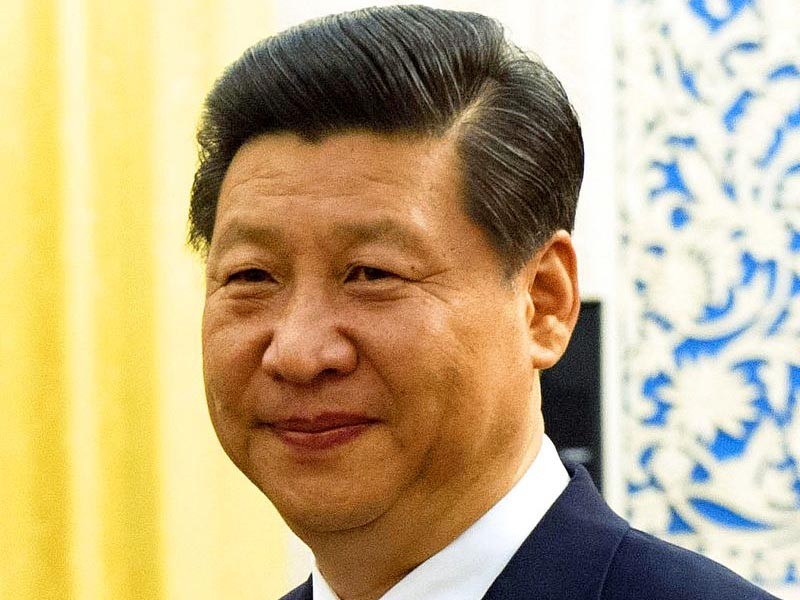
U.S. President Donald Trump, Chinese President Xi Jinping, and Russian President Vladimir Putin met Thursday in Shenzhen, China, for an unprecedented trilateral summit, projecting an image of cooperation among three of the world’s most powerful nations but offering few concrete agreements on the conflicts and international issues facing them.
The roughly 80-minute meeting produced a joint statement addressing United Nations reform, energy production, international legal authority, and nuclear risks. However, the statement offered no clear breakthroughs on the wars in Ukraine or Iran and made no public reference to religious freedom or the persecution of religious communities in China and Russia.
The gathering underscored the importance of direct engagement among world leaders as they seek to manage competing interests, global conflicts, and questions about the future of international order.
The summit also offered an opportunity to address concerns affecting millions of people who face persecution for their faith, particularly in countries governed by authoritarian regimes.
A Summit Focused on Global Stability
The three leaders presented themselves as sharing responsibility for maintaining international peace and security. Their joint statement called for United Nations reform, increased production and supply of petroleum products, and further dialogue on reducing nuclear risks.
The leaders also emphasized state sovereignty and the immunity of government officials, declaring that the International Criminal Court and similar bodies should not abuse their authority.
The language reflects a shared interest among the three governments in limiting the reach of international institutions, although their respective political, economic, and security priorities remain distinct.
Concerningly, this language is similar to that used by China in pushing back on American calls to respect human rights and ensure citizens can freely practice religion. Claiming that these are internal affairs, China rejects what it considers to be overly zealous policing by the U.S. and continues on its path of persecution.
Putin described the summit as a new chapter in diplomatic history and praised the opportunity for direct engagement with Trump and Xi. The Russian president also invoked the 1945 Yalta Conference, which helped shape the postwar European order, arguing that international conflicts eventually require countries to recognize realities on the ground.
While the leaders expressed interest in dialogue and international stability, their meeting did not produce publicly announced agreements to resolve major conflicts or address underlying tensions between their governments.
Religious Freedom Remains a Global Concern
For religious freedom advocates, high-level diplomatic meetings represent an important opportunity to raise the plight of prisoners of conscience and religious communities facing government persecution.
China, in particular, continues to impose severe restrictions on religious practice. Christians in unregistered churches face surveillance, detention, church closures, and pressure to submit to government oversight. The Chinese Communist Party’s campaign to bring religious institutions under its control has affected Protestant house churches, Catholic communities, Tibetan Buddhists, Uyghur Muslims, and other religious minorities.
In recent months, international advocates have urged the Trump administration to raise the cases of imprisoned religious leaders with Xi.
Earlier this year, Trump raised the case of Pastor Ezra Jin Mingri, founder of Beijing’s Zion Church, during a meeting with Xi. Chinese authorities subsequently released Jin, who later relocated to the United States. However, other Zion Church leaders arrested during the same crackdown remain detained, and no such direct advocacy seems to have occurred at this most recent meeting.
The case demonstrated how direct presidential engagement can potentially influence the circumstances of individual prisoners. It also highlighted the continued need for diplomatic pressure when religious communities face systematic restrictions.
The November summit offered another opportunity for leaders to address religious freedom concerns, though the public statement released after the meeting did not reference religious persecution or specific prisoners of conscience. The absence of such references does not establish what may have been discussed privately, but no religious freedom commitments were announced publicly.
International Engagement and Accountability
The summit’s emphasis on state sovereignty, official immunity, and international institutions also carries implications for human rights advocates.
International mechanisms have historically played an important role in documenting abuses, pursuing accountability, and drawing attention to violations that governments might otherwise seek to conceal. At the same time, disagreements over the authority and effectiveness of international institutions remain a significant point of contention among global powers.
For communities facing persecution, the broader debate can have practical consequences. When governments prioritize sovereignty and resist external scrutiny, victims of religious discrimination may have fewer avenues through which to seek justice or international support.
Religious freedom advocates have long argued that respect for national sovereignty should not prevent governments from being held accountable for violations of fundamental human rights. Freedom of religion or belief is recognized under international standards, including Article 18 of the Universal Declaration of Human Rights, which protects the right to believe, worship, practice, and manifest one’s religion individually or collectively.
Maintaining that principle requires continued engagement from governments, civil society organizations, and international institutions, even when diplomatic relationships become complicated.
For religious freedom advocates, those opportunities remain important. The release of individual prisoners, the protection of vulnerable religious communities, and the ability of believers to worship without government interference are issues that deserve attention in conversations involving the world’s most influential leaders.
Although the summit’s public outcomes centered on geopolitical and economic matters, the challenges facing persecuted religious communities remain urgent.
Advocates will continue to encourage governments to use diplomatic engagement to promote religious freedom, address persecution, and press for the release of those imprisoned because of their beliefs. The broader measure of international cooperation will ultimately include not only the stability it produces among governments, but also the freedoms and protections it helps secure for people living under them.
To read more news stories, visit the ICC Newsroom. For interviews, please email us. To support ICC’s work around the world, please give to our Where Most Needed Fund.