
Fueling Persecution Part 1 of 4: When the Price at the Pump Becomes the Price of Survival
By ICC Fellow Lisa Navarrette
On a Monday morning in suburban Illinois, the Miller family begins the week the way millions of American families do.
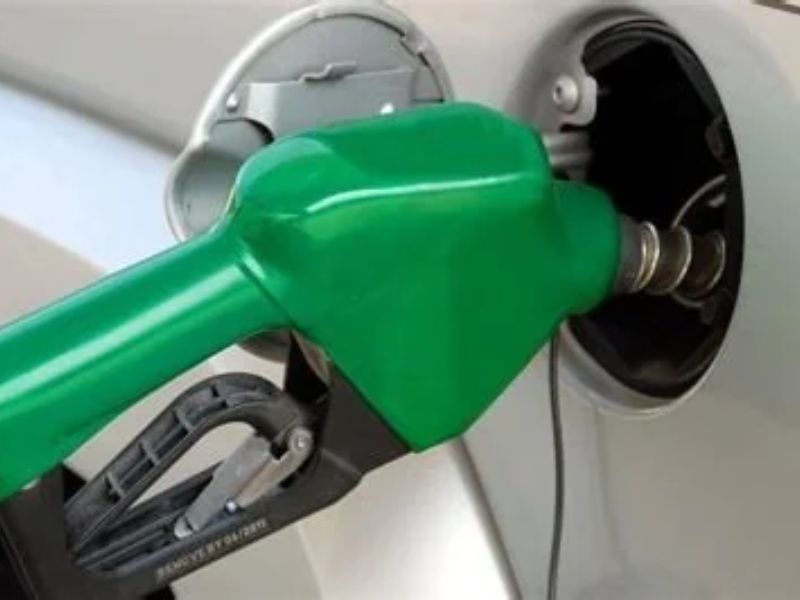
David drives 28 miles to work. His wife, Rachel, takes their two children to school, then heads to her office. By Friday, both cars need gas. David watches the numbers climb on the pump.
“Eighty-four dollars,” he says when he gets back into the car. “Again.”
That evening, Rachel opens the family budget on her laptop. Gas is costing more. Groceries are up. The weekend trip they had been discussing can wait. They decide to eat out once instead of twice that month and put off buying a new patio set. The higher prices are frustrating. They are affecting how the family spends money.
However, the lights will still come on when David flips the switch. The refrigerator will stay cold. The children can get to school. If one of them becomes sick, the family can drive to an emergency room. Food trucks will still reach their local supermarket.
A Different Reality
Thousands of miles away in Syria, another family experiences the global energy crisis differently.
Yousef and Mariam are Christians who remained in Syria through years of war and instability. Their neighborhood survived the fighting, but many families they once knew have left the country. Yousef reopened a small repair shop after years of disruption, while Mariam cares for their two children and an elderly mother.
Electricity is unreliable, so Yousef sometimes runs his shop with a diesel generator. When fuel prices rise, keeping the generator running costs more. If he raises his prices, customers who are struggling themselves may stop coming. If he absorbs the cost, there’s less money for food.
At home, Mariam notices the increases everywhere. Bread costs more. Vegetables brought in from another region cost more because transportation is more expensive. The trip to her mother’s clinic costs more.
When electricity fails, Yousef carefully limits the generator’s use. One evening, he turns it off earlier than usual.
“We’ll manage without it tonight,” he tells the children. Days later, his brother calls from Germany.
“There is work here,” he says. “You don’t have to keep doing this.”
Yousef looks around the shop he fought to reopen. His father worked there before him. The church where his children were baptized is only a few streets away. Leaving would mean abandoning something his family protected through years of war. But staying becomes harder every month.
Neither the Miller family nor Yousef’s family caused the global energy crisis. Both are paying more because of it. Yet the consequences are unequal. For the Millers, rising fuel prices mean rearranging a budget.
For Yousef and Mariam, they may eventually help determine whether the family can continue living in the country they call home.
That difference is at the heart of this series.
The Broader Picture
The global energy market is under significant strain in 2026. In its October 2026 Oil Market Report, the International Energy Agency reported that prolonged disruptions to Middle Eastern and Russian supplies had placed diesel markets under extreme pressure.
The agency warned that elevated fuel costs were increasing the price of goods, reducing household purchasing power, and contributing to inflation. Americans feel those effects at the pump and throughout the broader economy. In Syria, however, higher energy costs arrive on top of more than a decade of war, displacement, destroyed infrastructure, unemployment, and religious insecurity.
International Christian Concern (ICC) has documented the dramatic decline of Syria’s Christian population since the civil war began in 2011. Christians who once lived in substantial communities in Aleppo, Damascus, the Khabur Valley, and elsewhere endured extremist violence, kidnappings, church destruction, displacement, and economic collapse. Many left the country permanently. For those who remain, fuel is not simply another household expense.
Diesel transports food to markets. It powers generators when electricity fails. It moves building materials needed to repair homes and businesses. Farmers and merchants depend on it to transport goods. Churches and humanitarian organizations need fuel to reach vulnerable families. When fuel becomes more expensive, those costs spread through nearly every part of daily life.
The merchant delivering vegetables pays more for transportation and raises prices. A small business using a generator pays more to stay open. A family pays more to reach a hospital. A church pays more to distribute food and medicine. For a household with stable employment and reliable infrastructure, those increases may require cutting discretionary spending. For a Christian family already rebuilding after persecution or displacement, there may be little left to cut.
Compounding Pressure
That is where an energy crisis becomes part of a persecution story. High fuel prices do not cause Christian persecution. They do not create religious extremism or make someone attack a church. Instead, they can deepen the damage persecution has already caused.
Imagine Yousef and Mariam a year later. Their expenses continue rising. Yousef’s business barely produces enough income to support the family. Their oldest child will soon need to choose a university, but opportunities inside Syria remain limited. His brother in Germany calls again. This time, Yousef listens longer.
The persecution that reshaped Syria’s Christian community may have happened years earlier. Yet the economic consequences continue influencing what Christian families decide today. A family driven from its home by extremists may eventually return, only to discover that rebuilding is unaffordable. A Christian business owner may survive an attack but later close because electricity and transportation costs make operating impossible. Parents may remain committed to their ancestral community until rising expenses convince them their children have no future there.
Economic pressure can therefore become demographic pressure. When Christian families leave, churches lose members. Christian schools lose students. Businesses close. Young adults have fewer reasons to remain. Eventually, emigration creates more emigration. The effects also reach organizations attempting to help.
Fueling the Frontline
ICC has supported vulnerable Syrian Christians through food assistance, medical aid, necessities, livelihood projects, and support for churches serving communities affected by war and persecution. Each effort carries logistical costs.
Food must be transported. Medical supplies must reach clinics. Aid workers need transportation. Building materials must reach damaged communities. When diesel prices rise, the same humanitarian budget accomplishes less.
This brings us back to the two families. David may pull into a gas station, watch the price climb, and wonder what else the family should cut from their budget.
Yousef may watch diesel prices rise and wonder whether he can keep his business open at all. Rachel may postpone a vacation. Mariam may postpone a trip to a clinic. The Millers may decide not to replace their patio furniture. Yousef and Mariam may eventually decide not to rebuild their future in Syria.
Both families experience the same global economic shock. They simply experience it from different starting points.
Economic crises don’t arrive on a level playing field. When persecution has already stripped away property, savings, employment, security, or community support, another global shock lands on people who have much less ability to absorb it. That’s why rising energy prices deserve a place in discussions about Christian persecution.
The price at the pump may begin as an economic story. For vulnerable Christian families, it can become part of the decision of whether recovery — and staying home — is still possible.
Part two will examine what happens when rising fuel costs increase the price of humanitarian assistance itself, forcing organizations serving persecuted Christians to stretch the same resources across increasingly expensive needs.
To read more news stories, visit the ICC Newsroom. For interviews, please email us. To support ICC’s work around the world, please give to our Where Most Needed Fund.