
Suspected Boko Haram Militants Threaten to Kill Pastor’s Wife, Sell Daughter
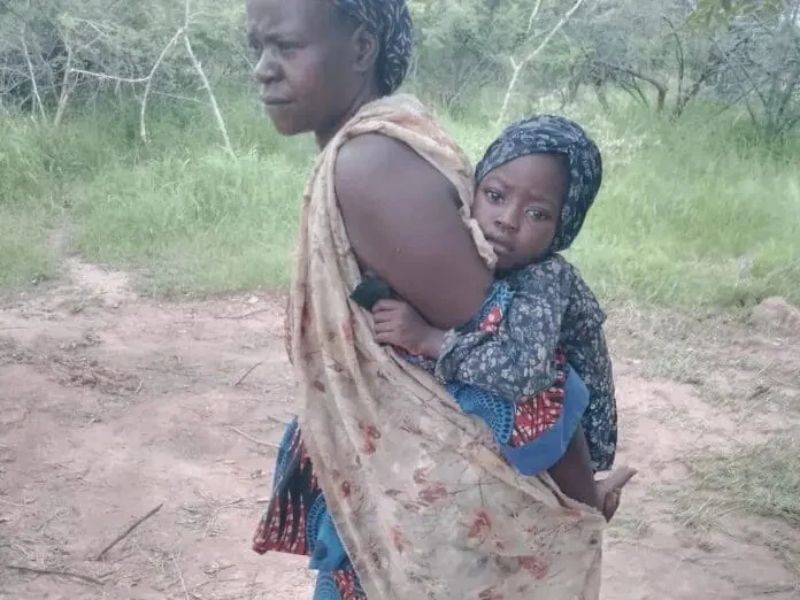
A pastor in northeastern Nigeria said suspected Boko Haram militants have threatened to execute his wife and sell his young daughter into slavery unless he pays a ransom, nearly a year after they were abducted in Borno state.
Pastor Simon Yohanna told Truth Nigeria that his wife, Mercy, and daughter, Talita, were kidnapped on Nov. 9, 2025, while traveling along the Buratai-Biu-Bunu Yadi road. He said their captors recently threatened to kill Mercy and sell Talita if he failed to pay 50 million naira (roughly $33,500).
Yohanna said he cannot raise the money. Displaced by violence and separated from his congregation, he now lives in Mubi, Adamawa state, caring for three other children. He said he briefly heard his wife’s voice during a recent phone call and received a photograph that he believes confirms she is alive.
An Oct. 28 report by Christian Daily International–Morning Star News also confirmed the kidnapping through local council official Barka Iliyasu. That report said the kidnappers initially demanded 50 million naira but later reduced the ransom to 12 million naira, which the family still could not afford. The differing accounts of the current demand have not been independently reconciled.
A Wider Pattern of Abductions
Yohanna said the same militants are holding about 70 other Christians. He also reported that five Christians were released on Oct. 19 after their families paid ransoms. These figures haven’t been independently verified.
Yohanna previously served churches in the Chibok and Bama areas of Borno. Boko Haram’s violence forced him from his ministry. He and other families have sought help from Nigerian authorities, including Senator Ali Ndume, but said they have received no meaningful response.
Kidnapping has become a persistent threat in northern Nigeria, where extremist groups and armed criminal networks abduct civilians for ransom. For Christian families in areas affected by Islamist insurgency, abductions can also carry a religious dimension. Yohanna said his wife was singled out from the vehicle because she was Christian.
Boko Haram began an armed insurgency in 2009 in northeastern Nigeria. The group has attacked government institutions, schools, churches, and civilian communities, seeking to impose its interpretation of Islamic law. Its violence has killed and displaced thousands.
The insurgency later produced a major split, with Islamic State West Africa Province (ISWAP) emerging as a separate faction aligned with the Islamic State movement. Both groups have continued attacks and kidnappings in northeastern Nigeria. Muslims have also suffered extensively from their violence.
According to a six-year study conducted by the Observatory for Religious Freedom in Africa (ORFA), Islamic Fulani militias are by far the deadliest persecutors of Christians in Nigeria. The network of militias is responsible for four times more civilian deaths than Boko Haram and ISWAP combined. The study also examined abductions, highlighting that Islamic Fulani extremists also abducted far more Christians than the other two major groups combined.
The Need for Protection
The case of Mercy and Talita underscores the consequences of prolonged insecurity for families displaced by extremist violence. He is now being asked to pay a ransom far beyond his means to save his family.
The Nigerian government has a responsibility to protect citizens regardless of religious identity, but very often they have failed to counter the ravages of religious extremists who sometimes target citizens based on their faith. Authorities must improve security in vulnerable areas, respond to families seeking help, work to secure the release of captives, and investigate kidnappings so perpetrators can be held accountable.
For Yohanna, the immediate concern is his wife and daughter’s safe return. Their captivity, and the reported presence of dozens of other Christian hostages, illustrates the urgent need for effective action against the groups terrorizing communities in northeastern Nigeria.
To read more news stories, visit the ICC Newsroom. For interviews, please email us. To support ICC’s work around the world, please give to our Where Most Needed Fund.