
Christian Mother Sentenced to 14 Years in Prison in Nigeria
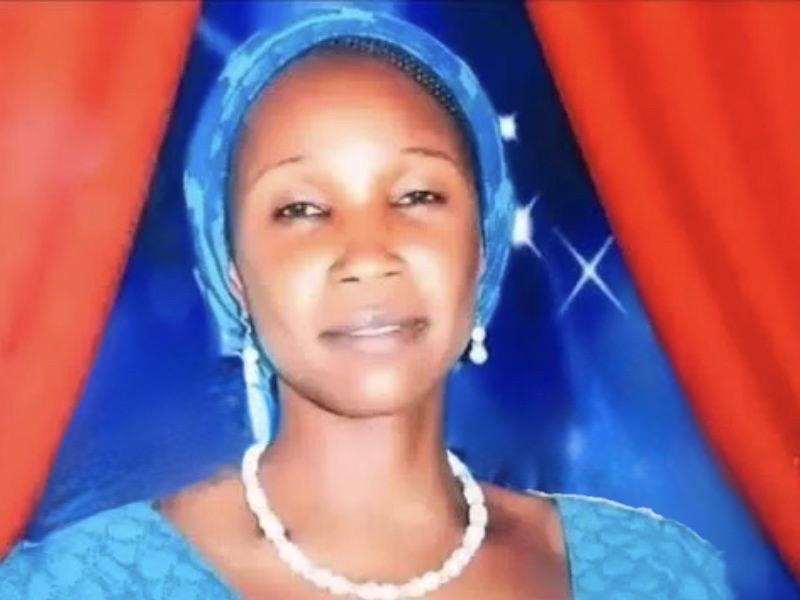
A Christian mother in northeastern Nigeria has reportedly been sentenced to 14 years in prison after sharing her faith with a Muslim woman who later testified that she subsequently converted to Christianity voluntarily.
Justice A. B. Kumdila of the Borno State High Court sentenced Liyatu Samuel Dawa, from the Gwoza area of Borno state, under Section 210 of the state’s Penal Code. The reported conviction has raised questions about the relationship between the charge, the evidence presented in court, and Nigeria’s constitutional protections for freedom of religion.
The woman at the center of the case testified that she had chosen Christianity of her own free will and had not been forced to convert. Dawa reportedly told the court she had only advised the woman and asked for leniency before sentencing.
The full judgment and case record are needed to determine the precise legal basis for the conviction and the court’s reasoning.
Threats Force Husband into Hiding
Dawa’s husband, Evangelist Amos Suleman, said he has been forced into hiding following threats to his life. He reportedly spent months in detention before being released on bail.
“I’m on the run; my life is under threat,” Suleman said. He also expressed concern about his wife’s imprisonment and his inability to visit her safely.
Suleman alleged that extremists began threatening him after his release. The threats have not been independently verified, and available reporting has not established the identities of those responsible.
The couple’s situation comes amid years of violence and displacement in Borno, where Boko Haram and Islamic State West Africa Province have conducted attacks against civilians, security personnel, and communities across the region.
Gwoza, near Nigeria’s border with Cameroon, has been among the areas affected by the Boko Haram insurgency, which has displaced residents and disrupted religious and community life.
However, the available report does not establish a direct connection between the armed groups’ activities and the legal proceedings against Dawa.
Questioning Nigeria’s Religious Freedom
Section 38(1) of Nigeria’s 1999 Constitution guarantees every person freedom of thought, conscience and religion. The provision includes the right to change one’s religion and to manifest or propagate religious beliefs through teaching, worship, practice, and observance.
Section 42 also prohibits discrimination against Nigerian citizens on religious grounds, subject to the Constitution’s provisions and limitations.
The National Human Rights Commission of Nigeria has identified Sections 38 and 40 as constitutional protections for religious belief and peaceful association.
The reported sentence against Dawa raises questions about how these protections apply when an adult chooses to change religions and another person is accused of influencing that decision.
The distinction between voluntary religious conversion and any separate alleged criminal conduct is central to understanding the case. The woman’s testimony is relevant, but a full assessment of the conviction requires the charge sheet, the full judgment, and the evidence the court considered.
Gavvs Katiya, chairman of the Gwoza Refugees Resettlement Initiative, criticized the sentence as disproportionate. The Borno State Government has not publicly commented on Dawa’s 14-year sentence.
To read more news stories, visit the ICC Newsroom. For interviews, please email us. To support ICC’s work around the world, please give to our Where Most Needed Fund.