
Pakistani Christians Remain on Edge Even as Blasphemy Cases Decline
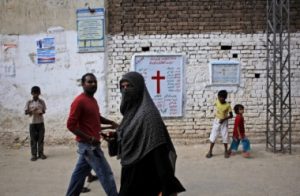
A mob of hundreds gathered outside a Christian family’s home in Karachi last month after blasphemy allegations began to spread, but the crowd dispersed after police intervened. An initial inquiry has since found the underlying allegation to be false.
According to Reuters, the four women and one child inside the home were spared partly because the organized fundamentalist groups that have historically led such riots were absent from the scene.
The incident reflects a sharp shift now underway across Pakistan. Registered blasphemy cases have fallen by roughly two-thirds this year, down to just 13 so far in 2026, according to the Human Rights Commission of Pakistan. Blasphemy-related riots and attacks, which averaged more than seven per year between 2021 and 2024, dropped to just one during the past 12 months, according to data from the Armed Conflict Location and Event Data project.
A Military-Led Crackdown
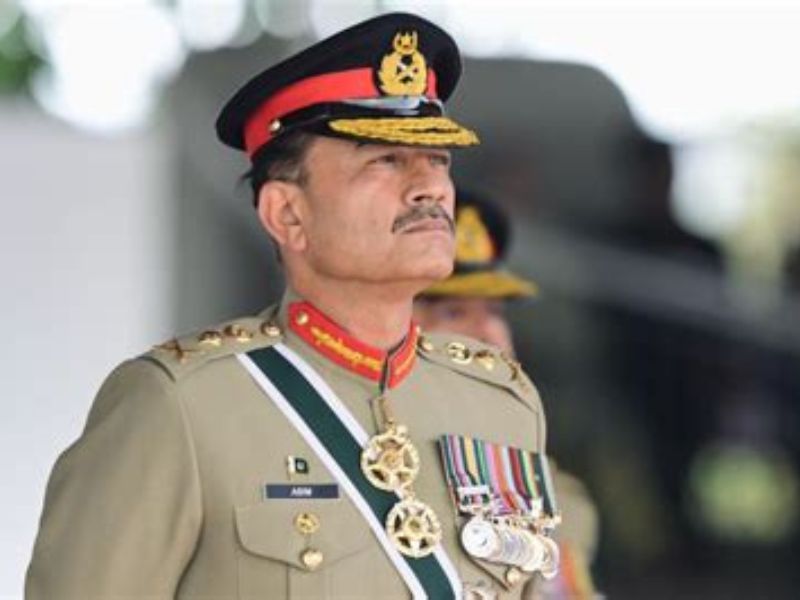
Reuters reported that the decline traces to a crackdown on hardline Islamist groups overseen by Pakistan’s army chief, Field Marshal Asim Munir. The largest target has been Tehreek-e-Labbaik Pakistan (TLP), long Pakistan’s most prominent blasphemy-focused movement, whose rallying cry was “Death to blasphemers.” TLP was banned in late 2025; its leaders have since been jailed, its mosques sealed, and its bank accounts frozen.
A government document supporting the ban, reviewed by Reuters, described TLP as having become “a serious threat to Pakistan” that harmed both internal peace and the country’s international standing. A TLP spokesperson referred to a prior statement calling the ban illegal and unconstitutional.
Reports suggest that the crackdown’s motivations were largely strategic rather than protective of religious minorities. Pakistani officials grew concerned that TLP’s hostility toward European nations was jeopardizing an EU duty waiver on which nearly a third of Pakistan’s exports depend.
Separately, the U.S. Commission on International Religious Freedom (USCIRF) recommended last year that Pakistan again be designated a Country of Particular Concern over its blasphemy laws, a designation Pakistan has decried. Analysts also pointed to Pakistan’s deteriorating relationship with the Afghan Taliban, once a military ally, as Islamabad increasingly blames Taliban-linked networks for fueling insurgencies in Balochistan and Khyber Pakhtunkhwa.
Talal Chaudhry, Pakistan’s minister of state for the interior, told Reuters that the government and military are aligned in cracking down on “any group that tries to hold the people or this country hostage to its dictates.”
A Law That Hasn’t Changed
Pakistan has recorded roughly 90 blasphemy-linked lynchings since 1990. Blasphemy remains punishable by death under Section 295-C of Pakistan’s penal code, and the law itself has not been amended or repealed as part of the current crackdown. What has shifted is the state’s tolerance for organized groups acting as enforcers of that law in the streets.
Christians, who make up roughly 2% of Pakistan’s population, have long faced a disproportionate share of blasphemy accusations relative to their numbers. The 2010 case of Asia Bibi remains among the most widely known: a Christian farm laborer sentenced to death after a workplace dispute over drinking water escalated into a blasphemy accusation. She spent eight years on death row before an international campaign led to her acquittal and exile.
Ihsan Ghani, Pakistan’s counter-terrorism chief during deadly TLP riots in 2017, told Reuters that a movement cultivated for years as a tool of state policy “cannot switch on, switch off,” warning it could re-emerge in force if TLP’s usefulness to the military changes again. Elizabeth Threlkeld, director of the Stimson Center’s South Asia program, raised a similar concern about whether Pakistan will sustain the crackdown at all.
Relief, But Not Certainty
For Pakistan’s Christian, Shi’ite, and Ahmadi communities, the change has been striking after decades in which suspects in blasphemy-related killings were sometimes publicly celebrated rather than prosecuted. The Christian woman whose family was targeted in Karachi last month told Reuters that she and her relatives are now physically safe. But, she said, the fear has not gone away.
Religious freedom advocates note that Pakistan’s response to international pressure has historically proven temporary, tied closely to trade access, diplomatic relationships, and terror-financing scrutiny, and vulnerable to reversal once those pressures ease. A drop in this year’s case numbers reflects a shift in enforcement priorities by Pakistan’s military leadership, not a change in the underlying legal framework that allows a single accusation to place a Christian’s life at risk.
Sustained international attention will be needed to determine whether this year’s decline in blasphemy violence outlasts the strategic circumstances that produced it. Pakistan’s blasphemy laws remain in force regardless of how few cases are filed under them, and advocates continue to call for their repeal, along with due process protections for the accused and accountability for the mob violence and impunity that have defined the law’s enforcement for decades.
To read more news stories, visit the ICC Newsroom. For interviews, please email us. To support ICC’s work around the world, please give to our Where Most Needed Fund.