
Muslim Herders Kill 7 Christian Farmers in Kenya
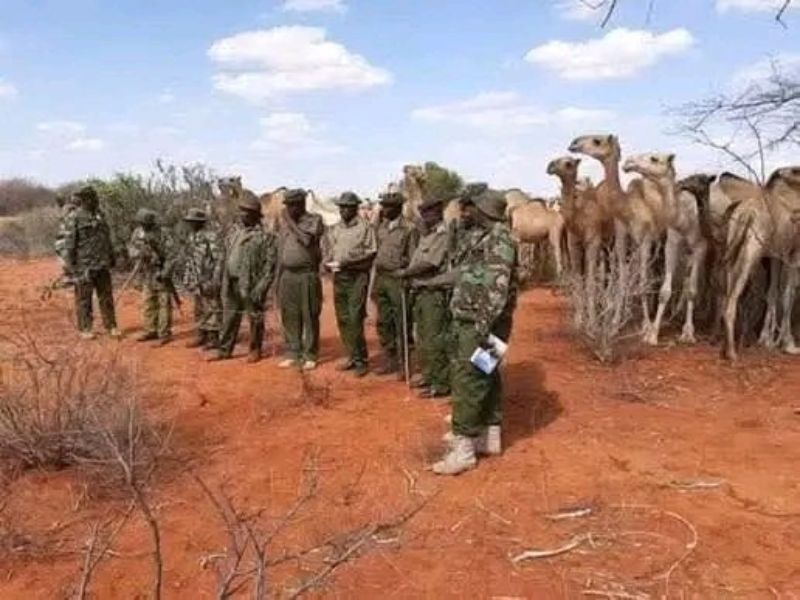
These days, farmers in Eastern Kenya are unable to find peace. Every waking moment is filled with unease.
“Even during the day, you find yourself watching your surroundings, listening for noise or gunshots,” one resident said. “You are not settled.”
The fear follows a deadly incident on Saturday, April 25, when armed Muslim Somali herders stormed Kwa Kamari in Mwingi North, Kitui County, killing seven Christian farmers and leaving behind burned homes, scattered belongings, and families struggling to come to terms with the loss. One person remains in critical condition.
The local farming community was caught in the attack as gunfire broke out across the area. Some residents managed to escape, running into nearby bushes and fields, while others were fatally shot before they could flee.
“It was noise at first, men chanting in Arabic, then gunshots, then shouting, then people running,” a witness recalled. “You don’t even get time to understand. You just move.”
Local church leaders said many of the affected families are now dealing with loss on multiple levels, including loved ones, homes, and livelihoods.
“We are walking with families who have lost people very close to them,” a church leader said. “Some were slain; others were lost in the chaos. The emotional weight is heavy.”
Community members said the area has experienced tensions linked to access to land and grazing space from the Somali herdsmen. These pressures have left the villages exposed and at risk.
“These people are driving us from our own homes and farms,” a community farmer said. “They kill mercilessly, leaving families turning to prayer, not knowing their fate.”
For many families, the impact is visible in abandoned homes, unattended farms, and disrupted routines. What remains is the difficult decision of whether to stay or leave.
“You start asking yourself if it is still safe to stay, or if you should leave everything behind and go,” the farmer said. “But if you go, where do you go?”
To read more news stories, visit the ICC Newsroom. For interviews, please email [email protected]. To support ICC’s work around the world, please give to our Where Most Needed Fund.