
Economic Persecution (Part 1 of 5)
By Lisa Navarrette, ICC Fellow
When persecution is discussed, it is usually framed in images of violence: burned churches, imprisoned pastors, mobs chanting in the streets. These images are real, and they matter. But for millions of Christians around the world, persecution is not loud or dramatic. It is quiet. It happens in hiring offices, classrooms, banks, markets, and aid lines. It happens when a resume is quietly rejected, when a business license is never approved, when a family is denied food assistance, or when a shop loses all its customers overnight. This is economic persecution, and it is one of the most effective and least visible tools used to marginalize Christians in hostile environments.
International Christian Concern (ICC) has repeatedly documented how modern persecution increasingly relies on social, legal, and economic pressure rather than overt violence, precisely because it attracts less international attention while producing long-term damage. When people cannot earn a living, they become vulnerable, dependent, and easier to silence. Faith does not need to be outlawed if survival itself becomes conditional.
Pakistan
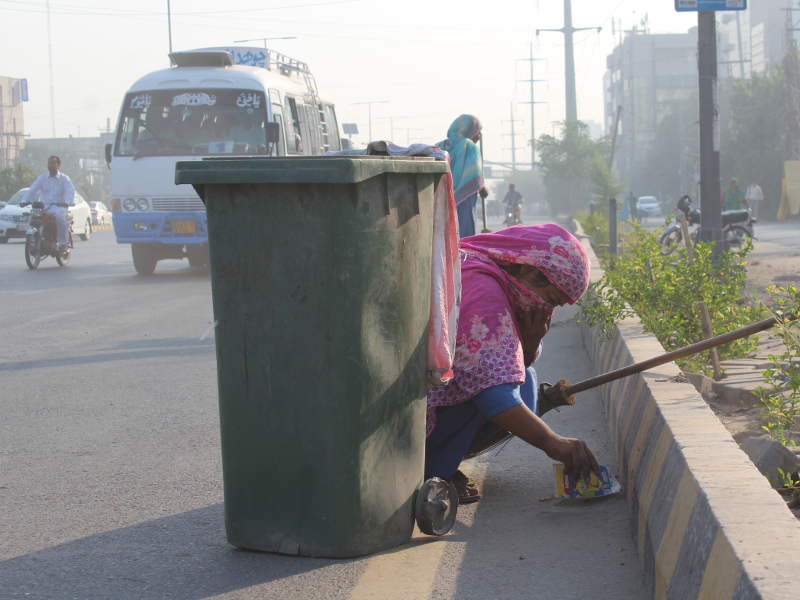
In Pakistan, this reality is lived daily by Christian families who find themselves locked into the margins of the economy. Christians make up roughly 1% to 2% of the population, yet they are disproportionately represented in the most dangerous and degrading forms of labor. Human-rights organizations have documented how Christians, regardless of education, are routinely funneled into sanitation work, brick kilns, sewer cleaning, and other stigmatized jobs with little opportunity for advancement.(1)
Blasphemy laws dramatically deepen this vulnerability. An accusation, often false or rooted in personal disputes, can lead not only to arrest or mob violence, but to complete economic ruin. Christian homes, factories, and shops have been burned to the ground following accusations, leaving families with nothing and no recourse. Employers frequently avoid hiring Christians altogether, fearing backlash or legal complications. Christian business owners often conceal their faith because visibility itself can invite destruction. In this environment, economic survival depends on silence.
Egypt
In Egypt, economic persecution wears a subtler mask. Many Coptic Christians are educated, employed, and visible in public life, but rarely hold positions of real power or influence. Discrimination is systemic rather than explicit. Promotions stall. Leadership roles remain out of reach. Christians are allowed to participate in the economy, but not to shape it.
Government bureaucracy compounds this exclusion. Christian-owned businesses face delays and denials that their Muslim counterparts do not. Church-related economic initiatives encounter licensing obstacles that can take years to resolve.(2) This form of economic persecution does not aim to eliminate Christians outright. It aims to contain them. It allows survival, but prevents growth, security, and long-term influence.
India
In India, economic persecution has become tightly linked to religious nationalism. As extremist ideologies have gained political and social traction in recent years, economic persecution has increased. Christian workers, educators, and business owners increasingly face organized boycotts and public accusations of forced conversion.
An accusation alone can make Christian businesses lose customers overnight. Employers fire Christian staff to avoid scrutiny. Schools and NGOs are shut down through selective regulatory enforcement. Entire communities are economically isolated.(3) Economic pressure becomes a tool of forced conformity. Keep your faith private or lose your livelihood.
Africa
In conflict zones such as Nigeria and the Democratic Republic of the Congo, economic persecution escalates into total economic erasure. Armed attacks on Christian villages destroy farms, livestock, tools, and shops, dismantling the foundation of survival in rural areas. Survivors flee with nothing. Land is abandoned or seized. Entire local economies vanish overnight. Even when violence subsides, rebuilding is nearly impossible without outside intervention.(4) Here, persecution is not just about displacement. It is about eliminating the possibility of ever returning to their homeland.
When Aid Becomes a Weapon
Perhaps the most disturbing expression of economic persecution occurs when humanitarian aid itself is weaponized. During the COVID-19 pandemic, Christian families in Pakistan were denied food assistance unless they agreed to convert.(5) Economic persecution rarely operates in isolation. It is sustained, protected, and often legitimized by legal systems that permit discrimination. When employers refuse to hire, when licenses are denied, when aid is withheld, these acts are rarely spontaneous. More often, they are enabled by laws that fail to protect minorities, courts that do not enforce equal rights, and legal frameworks that punish faith. The marketplace becomes hostile because the justice system allows it to be.
Tomorrow, we will examine how courts, legislation, and legal processes form the backbone of economic persecution. These legal frameworks transform discrimination into generational poverty for millions of Christians worldwide.
Sources
- https://persecution.org/2021/09/09/christian-music-school-raided-principal-arrested/
- https://www.state.gov/reports/2023-report-on-international-religious-freedom/egypt/
- https://persecution.org/wp-content/uploads/2025/11/2025-Global-Persecution-Index.pdf
- https://www.hrw.org/world-report/2024/country-chapters/nigeria
- https://www.uscirf.gov/countries/pakistan