
1 Dead After Extremists Target Christian Teachers
In northeast Kenya, schools have increasingly become sites of vulnerability rather than places of learning. For teachers serving in isolated communities under the shadow of extremist violence, each day brings a calculation between duty and survival.
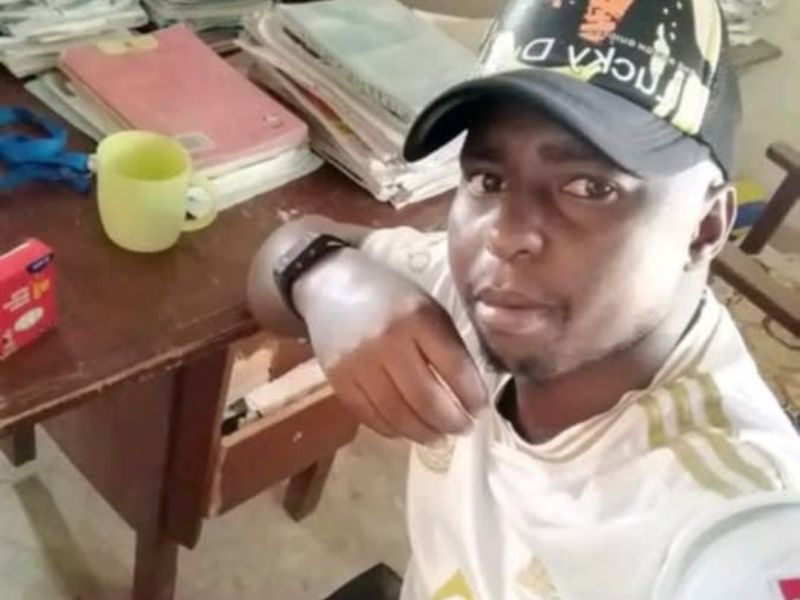
That tension turned fatal on Jan. 26, when Stephen Musili, a teacher at Halugho Primary School in Garissa County, was killed in a targeted attack by the al-Shabab militants.
Musili, 35, was not unknown to danger. Family members and colleagues say he had lived with threats for years, continuing to teach despite repeated warnings and intimidation. Messages left by suspected militants, some containing ominous promises of return, had fueled his growing fear. Yet his transfer requests went unanswered, leaving him stationed in one of the country’s most volatile regions.
The final hours of his life appeared ordinary. His wife, Leah Musili, recalls speaking to him late that evening.
“He sounded calm,” she said, describing their last conversation at around 10 p.m.
According to eyewitness accounts, armed men entered the teachers’ residential compound under the cover of darkness.
They first confronted a female teacher, telling her they did not kill women and demanding information about the male teachers. After forcing her to reveal their whereabouts, the attackers moved deliberately toward Musili’s house.
He tried to evade them. Witnesses say he attempted to hide and then flee, but was shot in the legs before being fatally shot in the back.
“I received the news at around 6 in the morning,” Leah said. “One of his colleagues called and asked if I had spoken to him. That’s when I learned they had invaded the compound and shot him dead.”
Leah described a life shaped by constant anxiety.
“My husband was the sole breadwinner for us, his parents, and his siblings. He had big plans for our family,” she said. Married in 2020, the couple had two young children.
Colleagues believe Musili faced a heightened risk due to his close engagement with the community. Fluent in Somali, he interacted easily with residents, an asset in education, but a liability in a climate of suspicion. Victor Onyango, a fellow teacher, said the danger became apparent earlier.
“They warned him that they would eventually catch him,” Onyango said. “When the first threat happened, he asked for a transfer, but it was declined.”
Teachers in Halugho describe extraordinary survival measures. When intelligence hints at possible attacks, many abandon their homes at night, seeking shelter at police posts, chiefs’ offices, or even trenches. On the night Musili was killed, that precaution was not taken.
For his sister Winfred Musili, also a teacher in the area, the loss has come with fear of her own.
“I am not going back,” she said. “We share the same name, and they will definitely come after me. The threats were real. They have now taken my brother.”
In the aftermath, the Teachers Service Commission condemned the killing as “heinous and cowardly,” describing Musili as a committed educator who served with courage in a hostile environment.
To read more news stories, visit the ICC Newsroom. For interviews, please email [email protected]. To support ICC’s work around the world, please give to our Where Most Needed Fund.