
Landmark ICJ Hearing Begins on Genocide in Myanmar
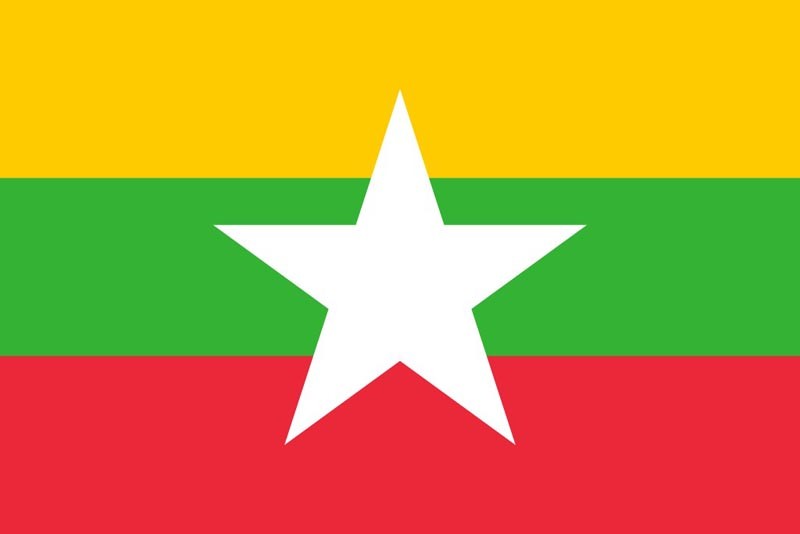
Public hearings began Monday in a case before the International Court of Justice (ICJ) concerning Myanmar’s treatment of the ethnoreligious minority Rohingya community. In 2016, Myanmar’s military launched a genocide against the Rohingya in a campaign that continues to this day alongside attacks on numerous other ethnoreligious minority groups, such as the Christian-majority Chin people.
This hearing is the ICJ’s first full genocide hearing in more than a decade and follows special attention to the crisis at the U.N. General Assembly in September 2025. The ICJ is the U.N.’s top court and may hear other allegations of genocide in the future.
This week’s case is brought by Gambia, which accuses Myanmar — currently run by the military after it seized power in 2021 — of the “most horrific violence and destruction one could imagine.” While the junta denies all allegations of genocide, the international community has long decried its attacks as genocidal.
Nearly 750,000 Rohingya have been displaced due to the military’s attacks. In the 18 months leading up to July 2025, about 150,000 Rohingya refugees fled to neighboring Bangladesh, representing the largest influx since 2017 and indicating continued danger for ethnoreligious minorities in Myanmar.
In March 2025, the U.S. Commission on International Religious Freedom (USCIRF) released a report criticizing the Tatmadaw for its systematic repression of religious minorities and urging the international community to increase attention to the plight of the persecuted in Myanmar.
“The country has seen the displacement of over 3.5 million people in recent years,” the USCIRF report noted, “including more than 90,000 in Christian-majority Chin State, 237,200 in Kachin State, and one million Muslim-majority Rohingya refugees.”
Though a large majority of the population is ethnic Burman and an even greater percentage is Buddhist, the communities that make up the remainder are well-established, well-organized, and, for the most part, predate the modern state by centuries.
In many cases, Myanmar’s ethnic minorities have taken on a distinct religious identity as well. About 20% to 30% of ethnic Karen are Christians, while other groups, such as the Chin, are more than 90% Christian. This overlap of ethnic and religious identity has created a volatile situation for believers.
Representing an extremist interpretation of Buddhism, the Burmese military has a long history of violence against the people of Myanmar, including against ethnic and religious minorities like the Muslim-majority Rohingya and Christian-majority Chin.
The junta is known to abduct children, forcing them to walk ahead of their troops through minefields. In many cases, their victims are members of ethnic and religious minority communities fighting back against the atrocities of a military that has waged a decades-long war of ethnic and religious cleansing.
To read more news stories, visit the ICC Newsroom. For interviews, please email [email protected]. To support ICC’s work around the world, please give to our Where Most Needed Fund.