
Indonesia is Tuning Down a Common ‘Blasphemy’
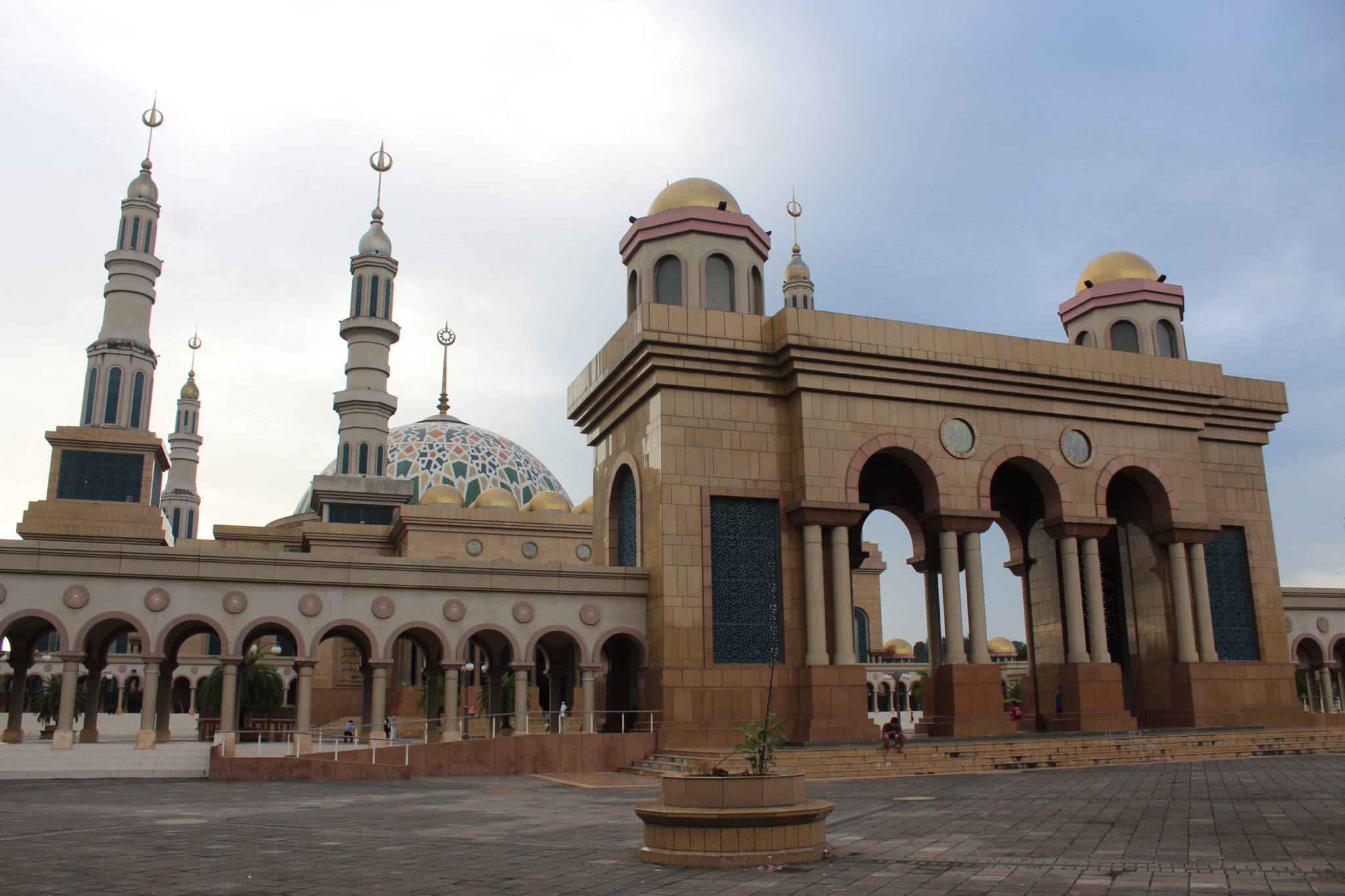
02/28/2022 Indonesia (International Christian Concern) – Indonesia’s Minister for Religious Affairs has released a letter detailing new guidelines for using external loudspeakers at mosques across the country. This has led to mixed reactions across the predominantly Muslim country, creating outrage and relief.
The new guidance from the Ministry of Religious Affairs limits the loudspeaker outside to ten minutes at dawn and five minutes at other points, and then on Friday, other announcements must be made on indoor speakers. The guidance is aimed at using speakers more according to their specific needs. However, most appreciated by some in the community is that the outdoor loudspeakers cannot exceed one-hundred decibels.
While appearing menial, the guidance on loudspeakers is significant for a nation like Indonesia. While the call to prayer is something common in most Muslim countries, it has often caused problems for religious minorities living within the same area. The high volumes of these regular calls to prayer have occasionally been a point of contention for many non-Muslims in Indonesia, some of whom have paid the price for it. In 2018, a Buddhist woman complained about the volume of the speakers. As a result, she was charged under the nation’s blasphemy laws. In 2016, an Islamic mob attacked a number of Buddhist temples in Sumatra, after a Chinese man in their community complained that the call was too loud – this enraged the locals.
While many within Indonesia’s religious minorities may be relieved at the new limitations on the loudspeakers, we should be wary of this sort of regulation on one religious group, as they will likely not stop at mosques alone. Social media has already shown frustration about this move, as many Indonesian Muslims see it as an infringement on the call to prayer which they have known their entire lives. The minister’s guidance acknowledged the communities need for the loudspeakers but stressed the need for harmony with those around us. “…we live in Diverse societies, whether religious, belief background, and others, so efforts are needed to care for brotherhood and social harmony.”
While the need for religious harmony is something we drastically seek in Indonesia, where Christians are in the minority, Indonesia has continued to try legislating harmony instead of fostering it. Like the new guidance on volume, Indonesia has a significant amount of religious harmony laws. While the country is majority Muslim, it once boasted a proud pluralistic ideology called Pancasila, which offered strong protections for religious freedom. However, among its attempt at promoting religious freedom against swelling radicalism, Indonesia passed numerous laws aimed at legislating religious harmony – unfortunately, it has caused a significant amount of animosity among the country’s religious groups. Rules put in place to ensure community support for things like new houses of worship have instead seen tit-for-tat retaliation as the regional religious majority blocks the plans of the other – Muslim majorities stop Christians from building new churches in Yogyakarta and Christians retaliate and block mosques in Christian-heavy Papua.
While we assume the government’s intentions are good, these attempts are religious harmony through regulation often do more harm than good, as religious groups are quick to hold the other side accountable. For these rules to come into effect against mosques alone, it is only a matter of time before they are expected to come to the door of worshiping churches, which we have already seen among Indonesia’s religious groups. Churches have had their audio cut following Islamic majority protests, and it was only this past Christmas that worshipers were interrupted during their Christmas service in Lampung.
While the government works to establish religious harmony, it must look for solutions that promote reconciliation over-regulation. We must call on Indonesia authorities to end the use of hardline blasphemy laws and retaliatory regulations and instead create a platform that allows Indonesia’s religious groups to learn about each other and restore the religious freedom and national unity that the Pancasila principle meant to enshrine.
For inquiries, contact [email protected]